Raisin & Cinnamon Sourdough Loaf

A country loaf is great! But, add a little sweetness to it and throw in some raisins and a pinch of cinnamon! Now you've created a to-die-for loaf for your weekend brunch! Cinnamon and raisins are a match made in heaven and the duo has been there for centuries. Lately, this has been my favorite weekend bread!
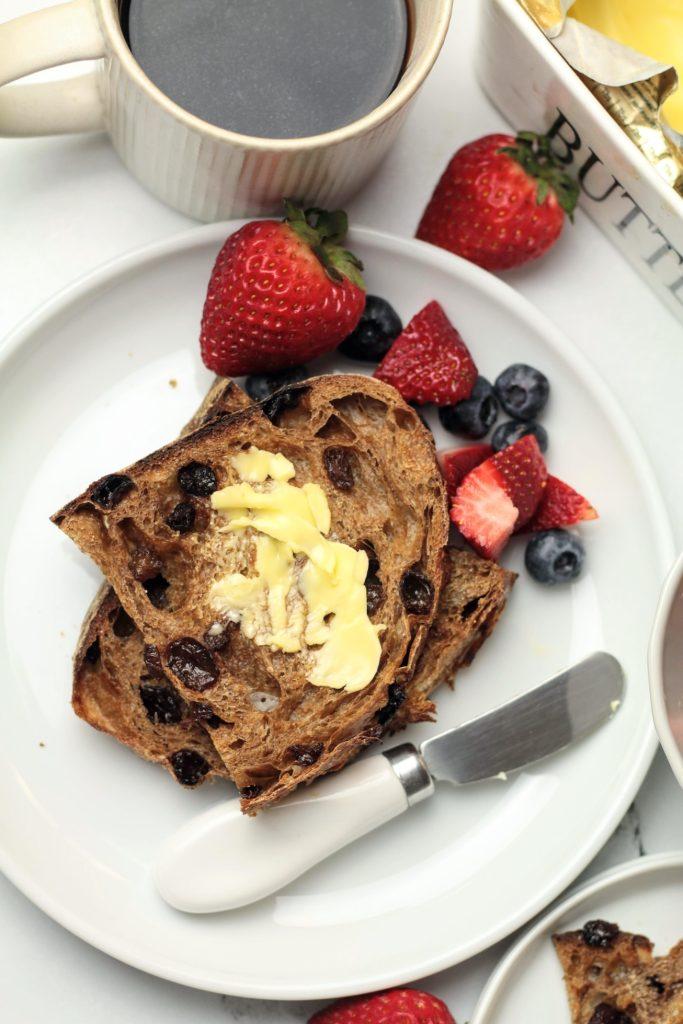
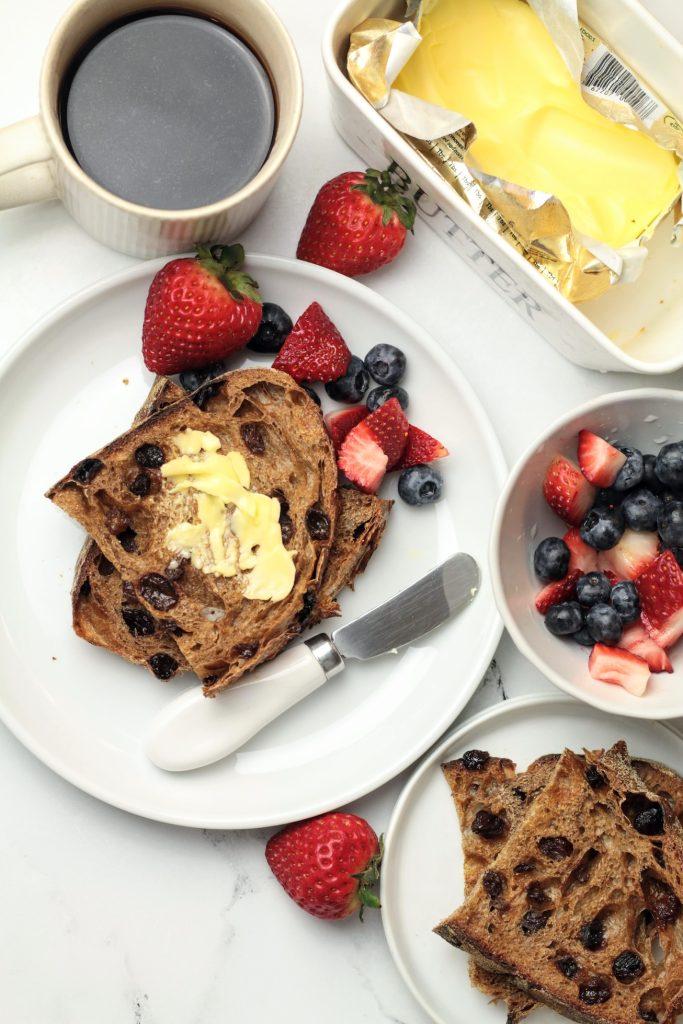
The fact that it can be eaten warm on it's own or toasted with a little butter, this makes the perfect accompaniment to morning coffee on a lazy weekend morning. Ever wanted to sleep in and just enjoy your coffee with something sweet but hearty, then this is your recipe.

This has also become a favorite among the students who join my sourdough workshops! I show them how easy it is to tweak the base 'country loaf recipe' to create different flavors. It is very simple and I try to convince people that you can literally add a hand-full of pre soaked raisins, molasses and cinnamon, follow the same steps to make this bread! But I get asked for a recipe and a detailed blog post all the time. So this one is for you.
Why soak the raisins?
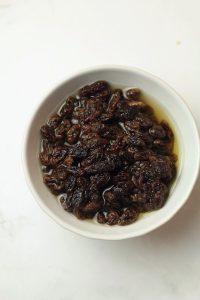
Well, simple answer is to hydrate them. If we don't do this, the dried fruit will steal water(moisture) from the bread dough which is going to dry-out the dough. A drier dough will yield a different texture and it will also affect the oven spring (expansion in the oven). So soak them in hot water for at least an hour or until nice and tender. It is not just water that you can use, but other things like tea, rum, orange juice. This will add a nice third dimension to the flavor profile. You can soak the raisins over-night if you are going with flavored liquid.
Molasses! Are there any substitutes?
Molasses is used in bread making to add both sweetness (sugar) and color. It comes in liquid form and is very easy to incorporate to a dough. Also, it has a deep caramel/malt like flavor and not a sharp sweetness like many other sugar types (golden syrup, brown sugar). So if I am using molasses in a recipe that is necessary and I do it with purpose. For this reason, I'm reluctant to recommend substitutes as it will change the outcome at least a little.
If you can't find molasses however, the best 1:1 substitutes would be, treacle, dark maple syrup or honey. Keep in mind if you use a pungent honey, that is going to come through. You can also use golden syrup or brown sugar but use 3/4 of the amount. Substitutions may affect color and flavor!
Because we add extra sugar, we use a little extra starter/levain too. Sugar can obstruct yeast activity so it is recommended to add extra yeast to sweet recipes to counterbalance the negative effect.
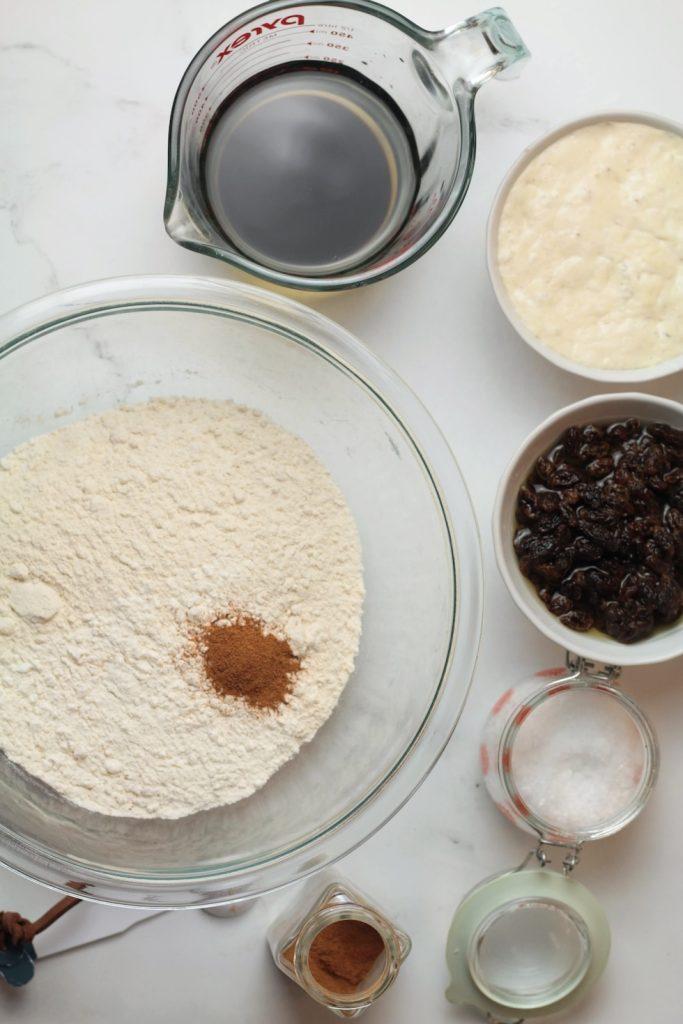
Gather the ingredients. I measure water and molasses into the same container. Make sure you have active levain (fed sourdough starter) ready to go
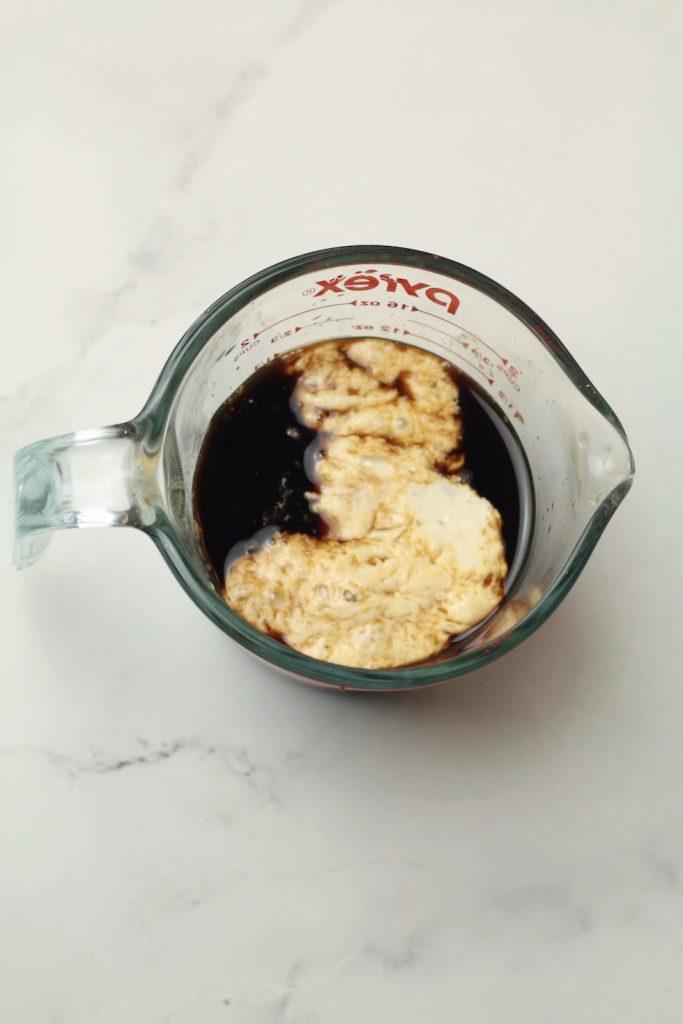
Mix the sourdough starter/levain with water and molasses
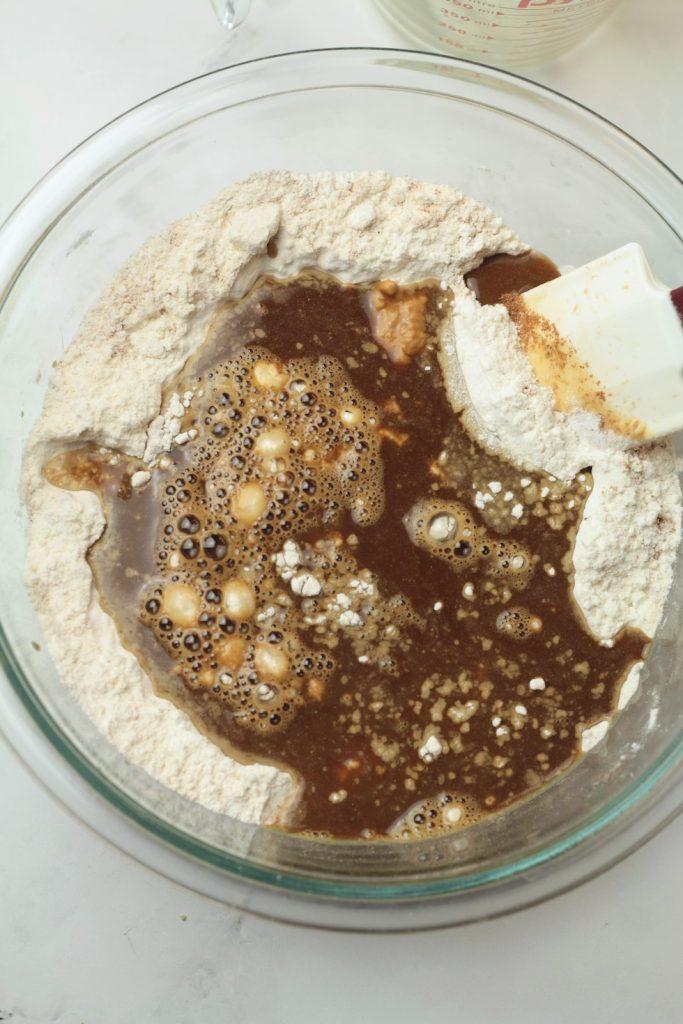
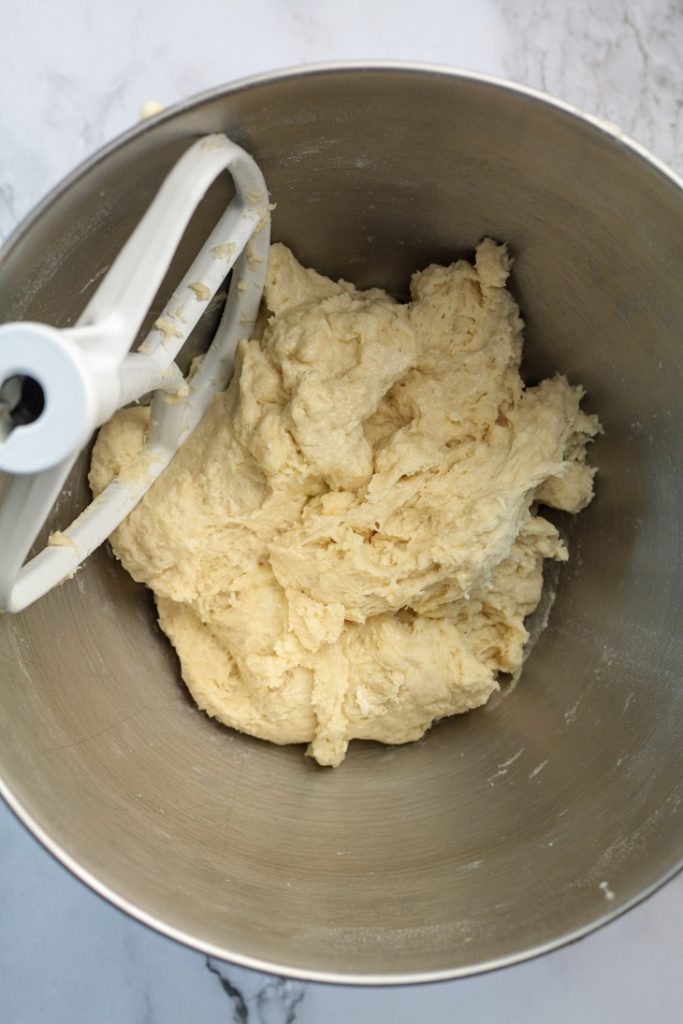
Add the liquid to the flour and mix. I have used a combination of flour but you can use just white bread flour.
I always add a little high extraction(T85) flour (about 50-100g) to my bread. It is not the same as wholemeal. Read more about flour here.
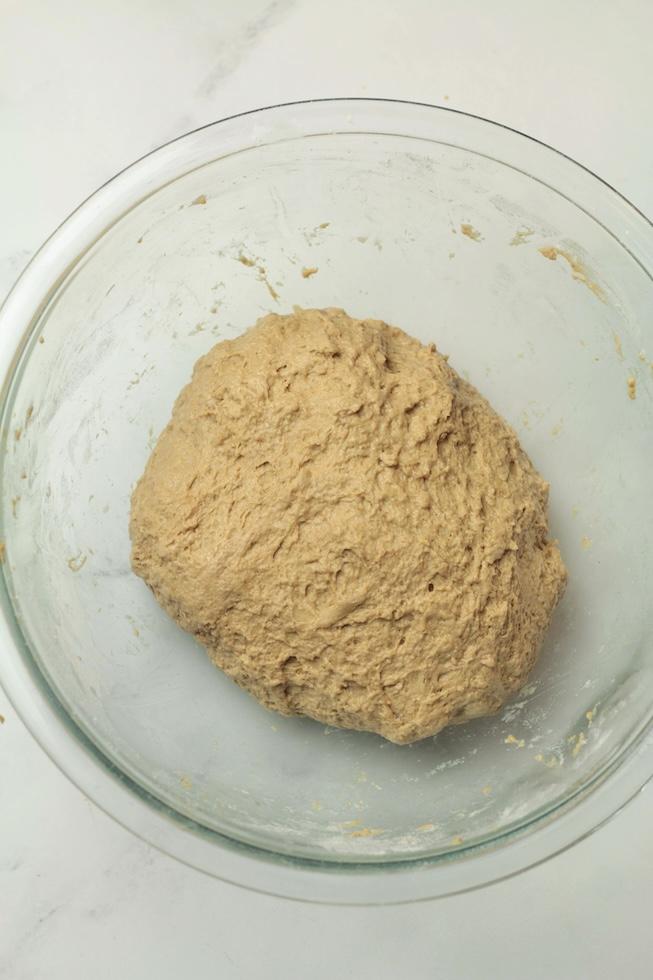
Just mix until all the flour is hydrated. Cover and leave in a warm place for about an hour
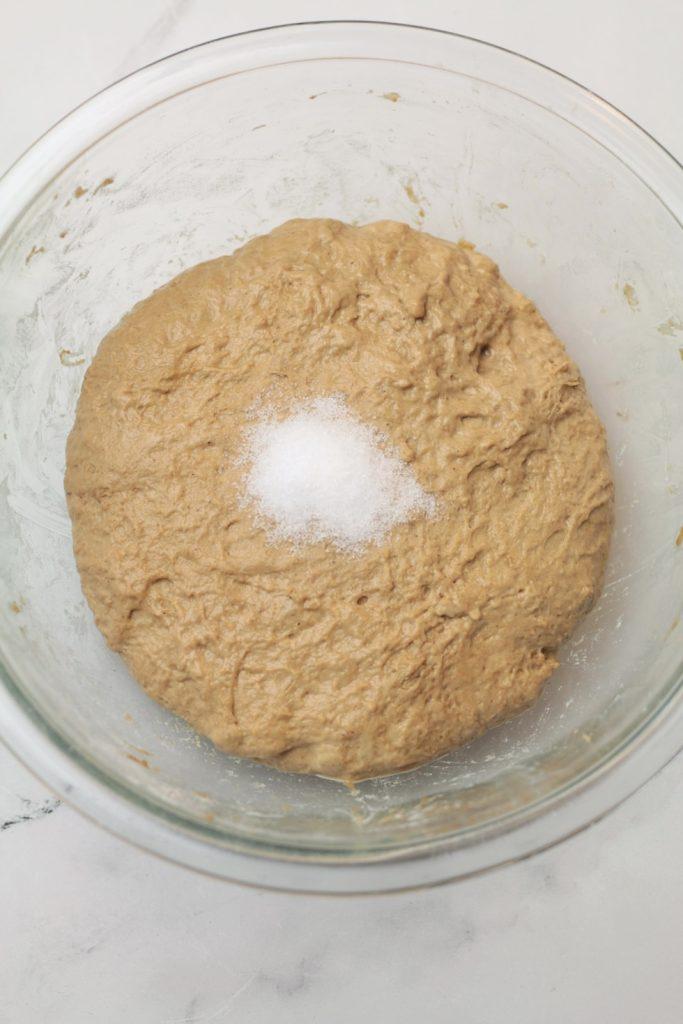
Add salt and knead until salt is dissolved and a dough is developed. Use slap and fold technique and you'll get a smooth dough in about 40 seconds
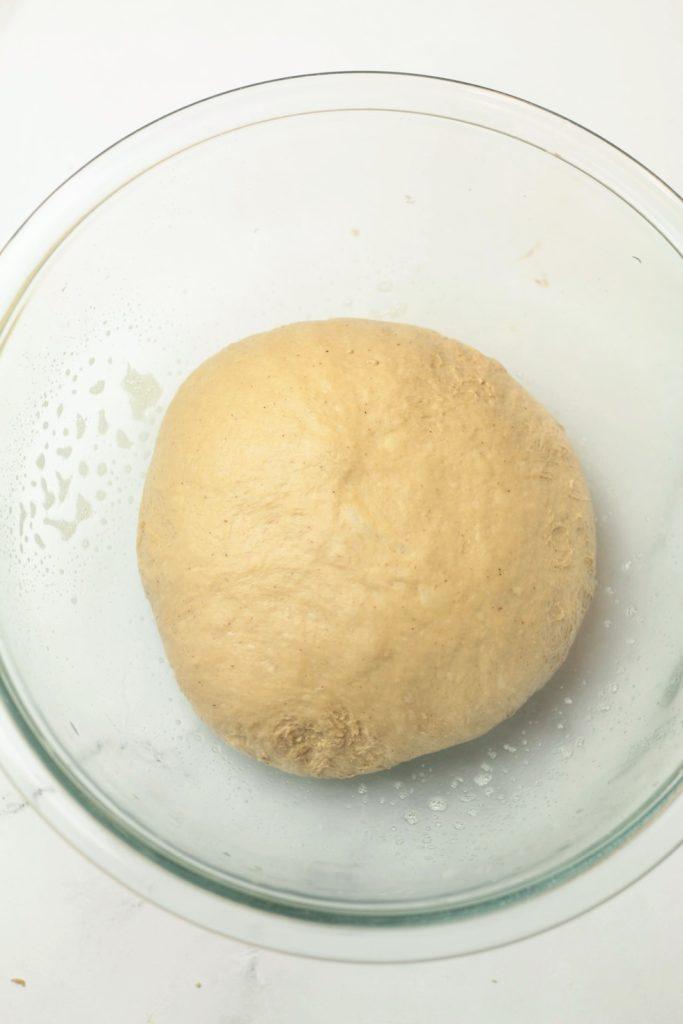
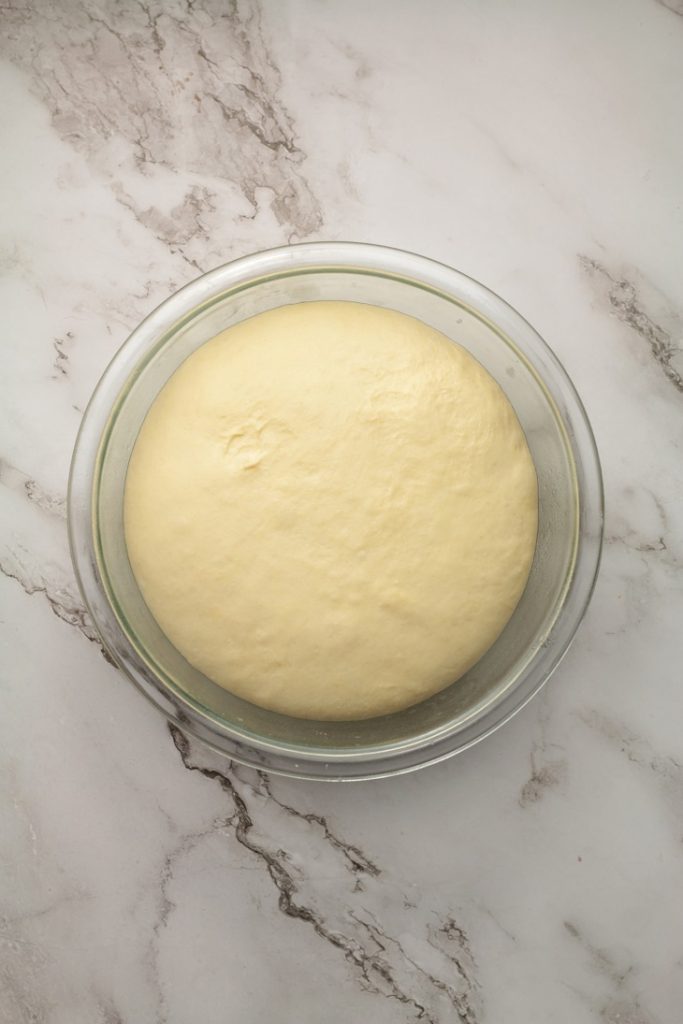
Place the smooth dough in a greased bowl, cover and leave in a warm place for 45 minutes. perform a coil fold followed by another at 45 minute interval. So two coil folds.
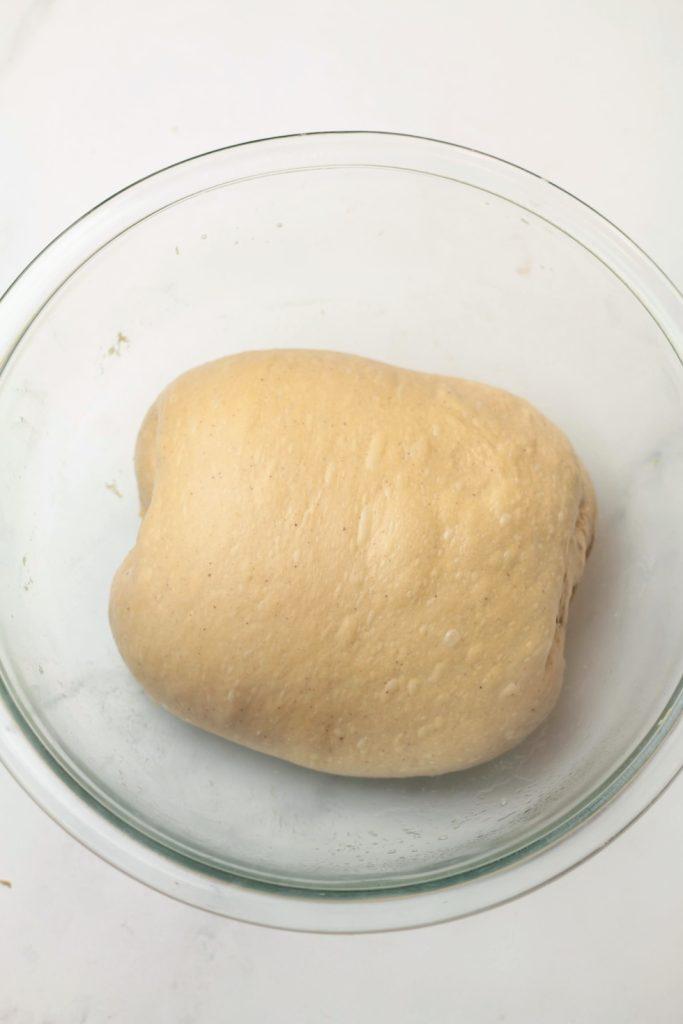
The dough after the 2 coil folds. And now let it rest again for 45 minutes.
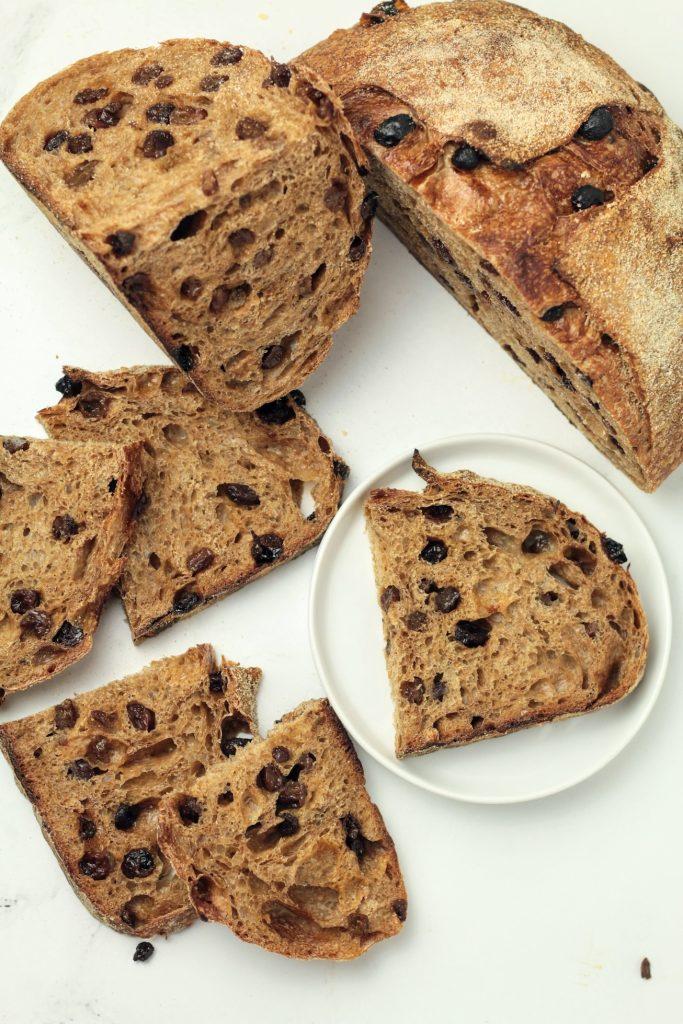
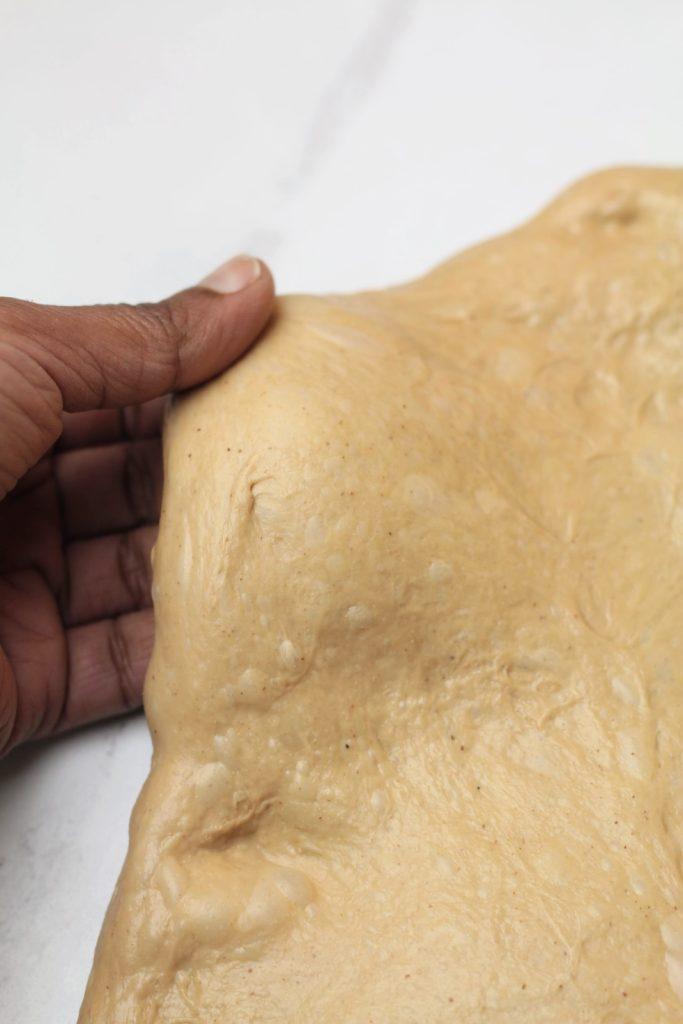
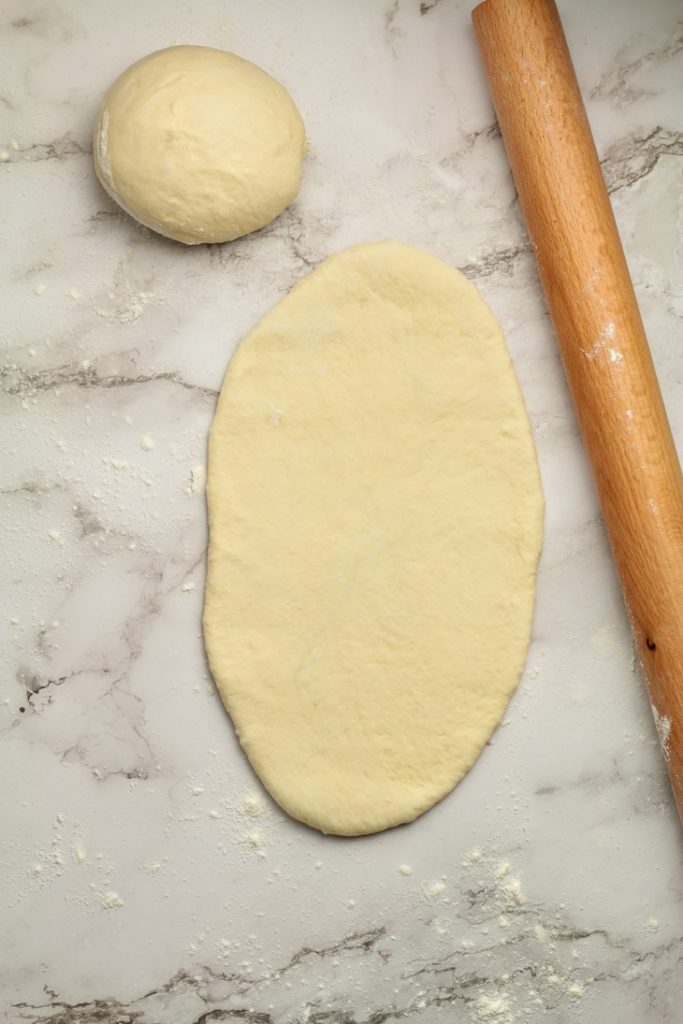
Once the dough has rested, now it's time to add the raisins. Stretch the dough on a wide enough surface until very thin.
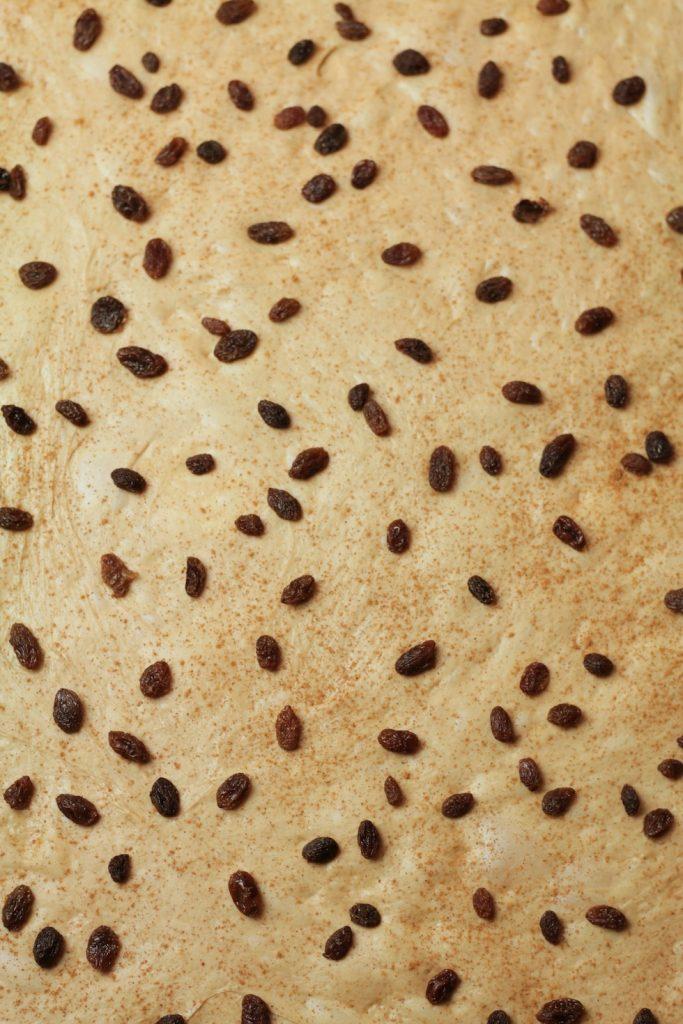
Drain the raisins and sprinkle evenly along with cinnamon
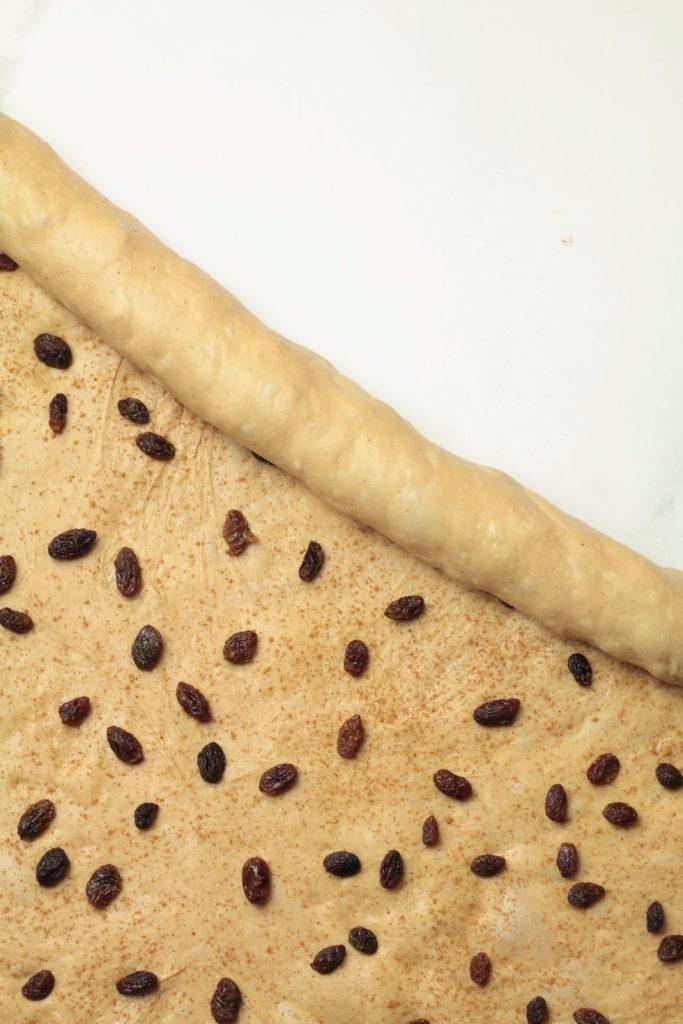
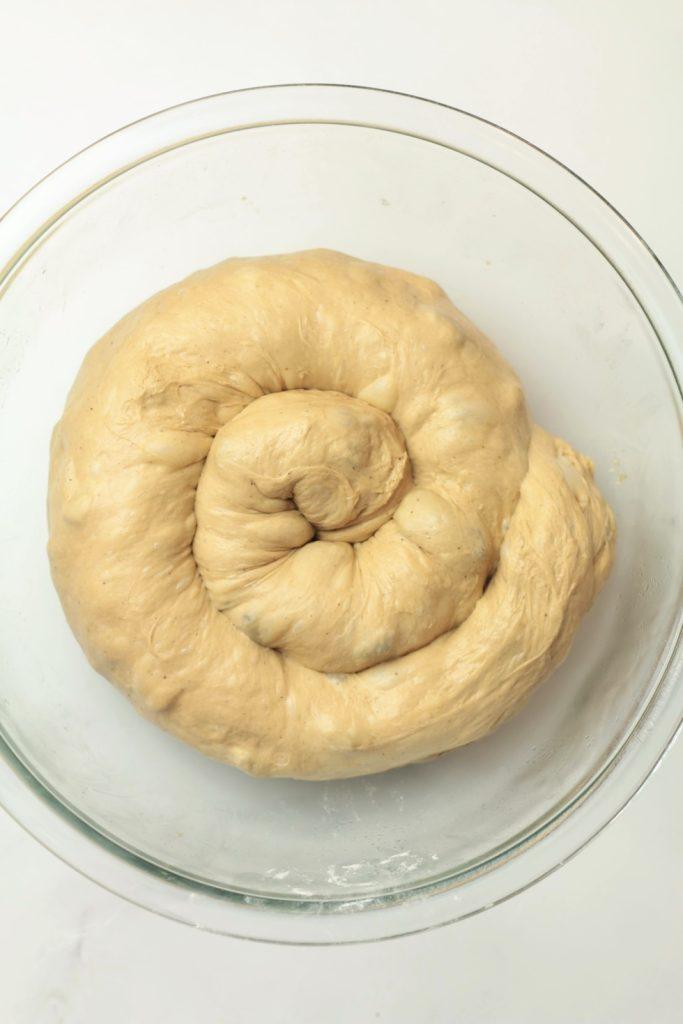
Swirl up and place in a lightly greased bowl, cover and leave in a warm place until proofed. For about 2 hours at 70°F or until puffed up
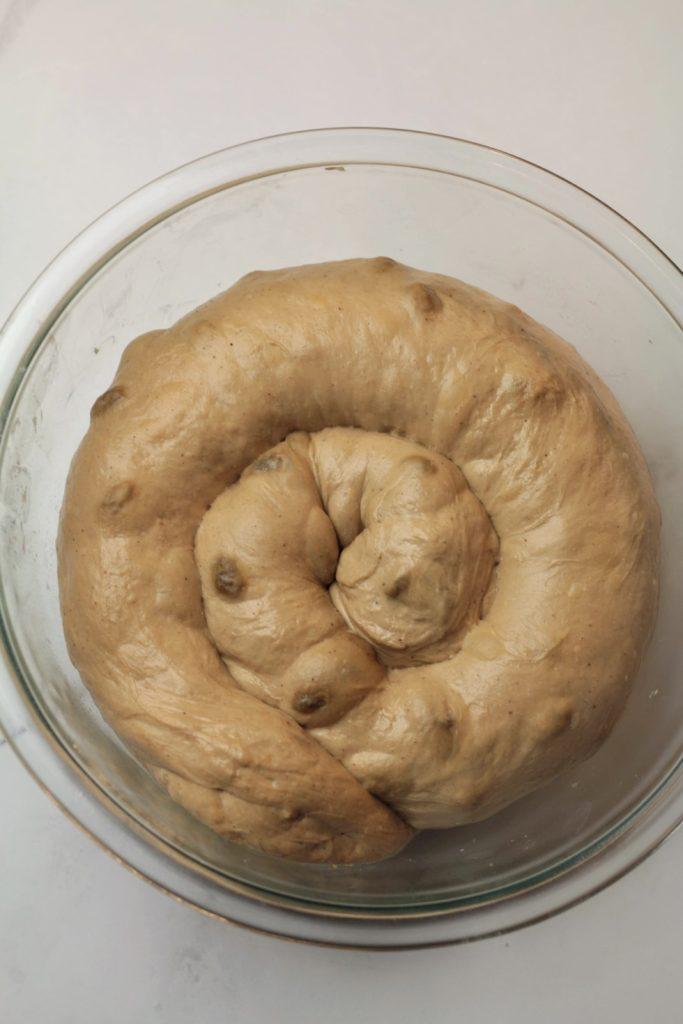
The dough will expand and may look puffed up. It will look bigger but not exactly doubled in size. If the dough doesn't look fermented enough, leave it for another hour.
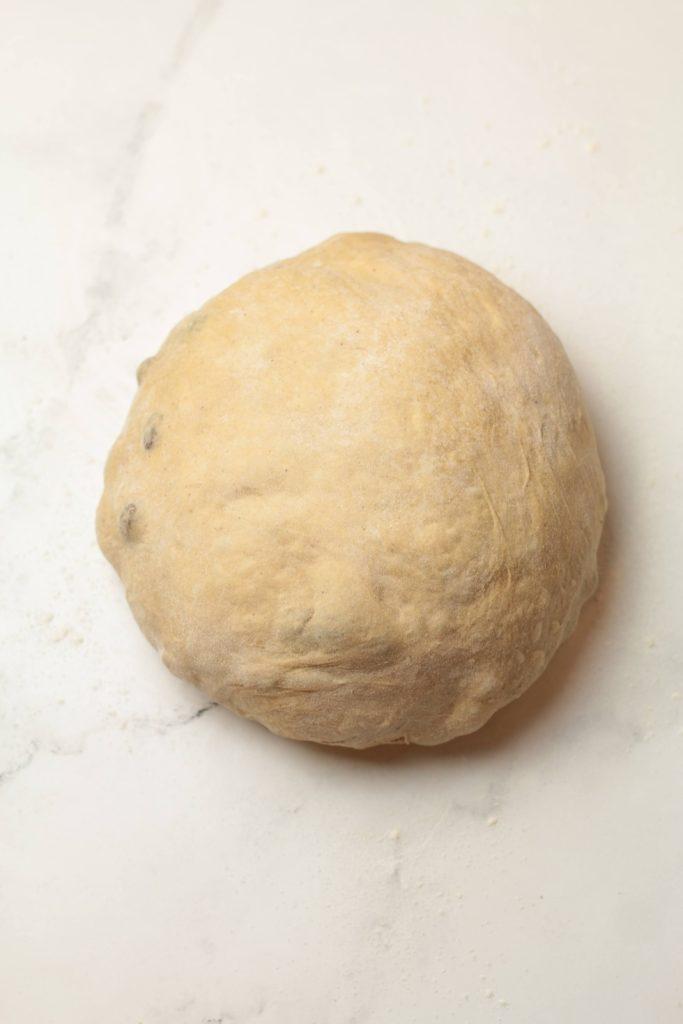
Tip the dough over onto a floured surface and pre-shape. In other words, stretch the surface and tuck it under gently without deflating until you get a nice round dough. Cover and let it rest for about 20 minutes
Use a light dusting of flour to stop it from sticking
Shape into a boule and place in the banneton basket. You can shape the loaf into a batard or any shape you like. Place in a plastic bag, tie up and place in the fridge for 18-24 hours. You can retard it for longer if you prefer or bake on the same day too.
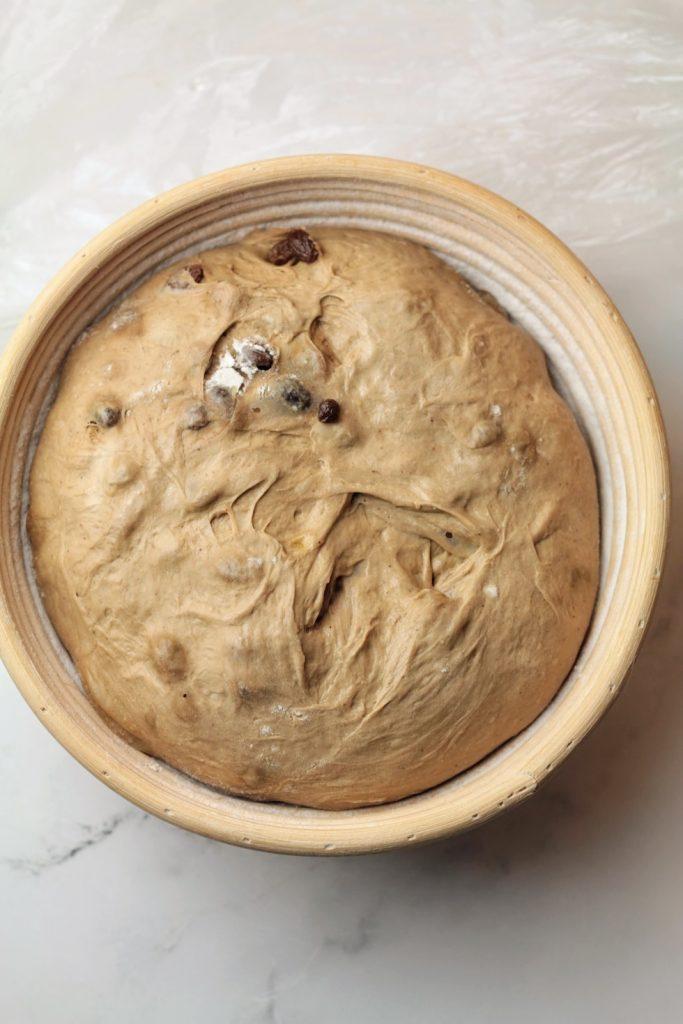
When you wan to bake, pre-heat the oven to 500°F. When the oven is ready, bring out the bread. Notice that it has risen (grown) a bit.
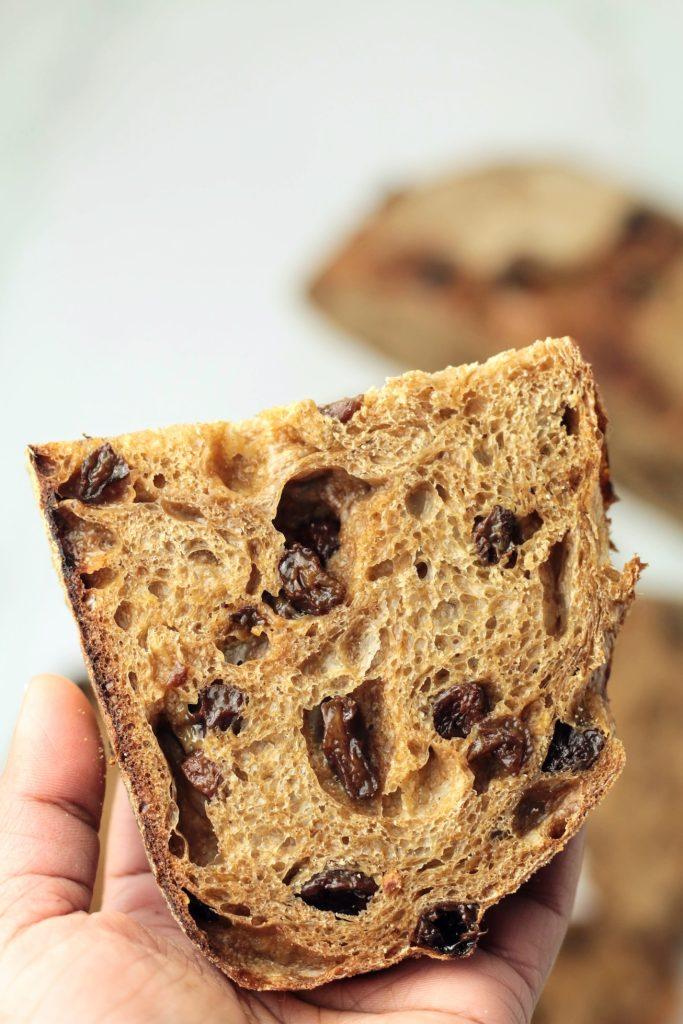
I will be using a Dutch Oven to bake this bread but you can 'open bake' if you want. Tip the dough on to a parchment, score and bake!
Using a Dutch Oven
A Dutch Oven (DO) is very reliable and you can make sure the bread is baked to perfection every time. Cast iron, ceramic, porcelain anything works. A Dutch oven creates a nice hot environment and traps moisture. So you don't have to worry about providing steam. However you can place a few ice cubes inside the preheated Dutch Oven with the bread to create extra steam. This helps expand the bread and create that thin crispy crust.
Place a rack in the bottom third of the oven. Then place the Dutch oven (with Lid on) and preheat the oven to 500°F with conventional or 4750°F with convection settings for about an hour. Then Place the bread in, close the lid and bake for 20 minutes. After the 20 minutes, remove the lid, reduce the temperature to 450°F and bake for another 20 minutes.
This is my baking setup for open baking. I use a bakingsteel original.
Once baked, let the bread cool before slicing.
Shop the Ingredients

Raisin & Cinnamon Sourdough Loaf
Ingredients
Method
- 1
Make the levain (feed the starter and let mature and measure out the required amount) ahead of time
- 2
soak the raisins in hot water to soften
- 3
Mix water, molasses and levain
- 4
Then add the mixture to the flour and 1 tsp cinnamon and mix thoroughly
- 5
Cover and set aside for an hour
- 6
Add the salt and mix to incorporate.A few minutes of slap and folds would be enough. Check the blog post steps for more details and video links
- 7
Let this dough rest for 45 minutes, covered
- 8
And give a coil fold after 45 minute rest. Check photos and video above
- 9
Repeat the coil fold in another 45 minutes and let the dough rest again
- 10
After the final 45 minute rest, stretch the dough on a bench top (any non-stick surface would work)
- 11
Drain the raisins and scatter evenly on the dough. Sprinkle the cinnamon and roll the dough back into a log and then into a spiral
- 12
Place in a bowl, cover and proof for about 2 hours (depending on the room temperature) or until it looks puffed up
- 13
After the bulk proof, pre-shape the dough and let it rest for 20 minutes
- 14
Then shape the loaf and place in the proofing basket
- 15
Cover with plastic wrap and refrigerate for 18 - 24 hours
- 16
Check the post for different baking settings. You can decide to use a Dutch Oven or Open bake the bread depending on your oven and preference
- 17
So preheat accordingly
- 18
When the oven is ready, take the bread out of the fridge, score and bake
- 19
Let the baked bread cool off on a wire rack before slicing
- 20
Use a serrated knife to slice the cooled bread and enjoy!
Never Miss a Recipe
Get new recipes straight to your inbox.



Comments
Loading comments…